01
Artists at the center
Artists are not an audience to be served at the margins. Their perspectives, labor, and leadership belong at the core of cultural life.
About Emily
For more than two decades, I’ve worked across arts, culture, and civic life as an executive and artistic director, producer, facilitator, curator, educator, organizer, and strategist. The titles have changed, but the work has remained remarkably consistent: bringing people together, asking better questions, building unlikely partnerships, and turning ideas into experiences, organizations, and systems that create greater possibility.
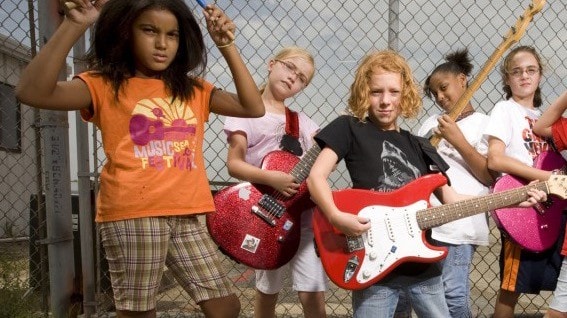
My career began in music and grew across theatre, museums, public spaces, youth development, contemporary performance, and community-based practice. I founded Girls Rock Austin and helped organize an international network that grew to more than 120 youth music programs. I’ve led and transformed multidisciplinary arts organizations, developed festivals and large-scale public performances, and created programs that invite artists and communities into the process of shaping cultural institutions.
I later founded Lionheart Youth Theatre, where our first production, Petra and the Wolf, brought together the puppetry of Glass Half Full Theatre and a live score by indie band Mother Falcon. What began as a labor of love grew into a national tour spanning 23 cities and reaching more than 26,000 young people.
That work also led to deep engagement with the international Theatre for Young Audiences field—as a producer, curator, educator, collaborator, and advocate—and an ongoing exchange with artists and organizations reimagining what performance with and for young people can be. TYA continues to shape how I think about artistic rigor, participation, intergenerational practice, and the cultural lives of young people.
In Memphis, my work at the historic Cossitt Library began not with a programming calendar, but with listening. I convened more than 100 artists and creatives to help imagine how a newly renovated civic institution could become a meaningful resource for the people who make culture in the city. That process informed artist programs, residencies, public performances, entrepreneurship initiatives, and community partnerships—and reflects how I approach much of my work: people are not audiences for change; they are participants in creating it.
Young people have been central to my practice from the beginning. I’ve spent much of my career thinking about what happens when we take their creativity, intelligence, and civic lives seriously. I don’t believe children are the future; I believe they are the present and have something to contribute right now.
My thinking is intentionally interdisciplinary. I grew up moving between two distinct musical worlds. I was a classical music kid, studying classical guitar, piano, music theory, and composition, while simultaneously getting into good trouble in the DIY music scene after school. One world taught me discipline, technique, and tradition; the other taught me experimentation, community, and the power of making things happen without waiting for permission. Both have shaped how I think about music, artists, and cultural leadership.
I trained in musicology and ethnomusicology at the University of Memphis, where my focus on the music and cultural traditions of the American South helped shape my early curatorial practice and informed the founding of Girls Rock Austin. I later studied curatorial practice at Wesleyan University and trained in theatre directing, ensemble creation, and civic practice through the Lincoln Center Theater Directors Lab and programs with Pig Iron Theatre Company, Ping Chong and Company, Sojourn Theatre, the National Institute for Directing and Ensemble Creation, and the Center for Arts & Civic Practice. I’m also an alum of the APAP/USC Arts Leadership Fellows program.
Most recently, I earned an MBA in Arts Innovation from the Global Leaders Institute, where my research explored the intersection of arts and health, including prototypes for Theatre for Young Audiences programming in hospital settings and an artist residency model. That research continues to inform my interest in the relationship between art, neuroscience, health, and human connection.
That curiosity has taken me from punk-rock clubs to boardrooms, libraries to theatres, neighborhood streets to national convenings. Along the way, I’ve been honored as a Kennedy Center Citizen Artist and recognized by Inside Arts as one of 100 leaders transforming the field.
Right now, I’m writing about art, labor, gentrification, cultural stewardship, and the conditions shaping cultural life. I’m continuing to make work of my own while helping artists and cultural organizations create better conditions for artists to do theirs—with the resources, tools, support, and agency they need to thrive.
01
Artists are not an audience to be served at the margins. Their perspectives, labor, and leadership belong at the core of cultural life.
02
Young people deserve meaningful opportunities to shape culture, build agency, and be met with trust and ambition.
03
People are not audiences for change; they are participants in creating it. Strong cultural work begins by listening and building alongside community.
Today, I work nationally with artists, cultural organizations, communities, and emerging leaders on strategy, facilitation, program design, organizational change, artist development, and public engagement. I’m currently writing, developing work for young audiences, consulting with cultural organizations, and exploring new ways that artists can contribute to civic life.
Explore cultural strategy